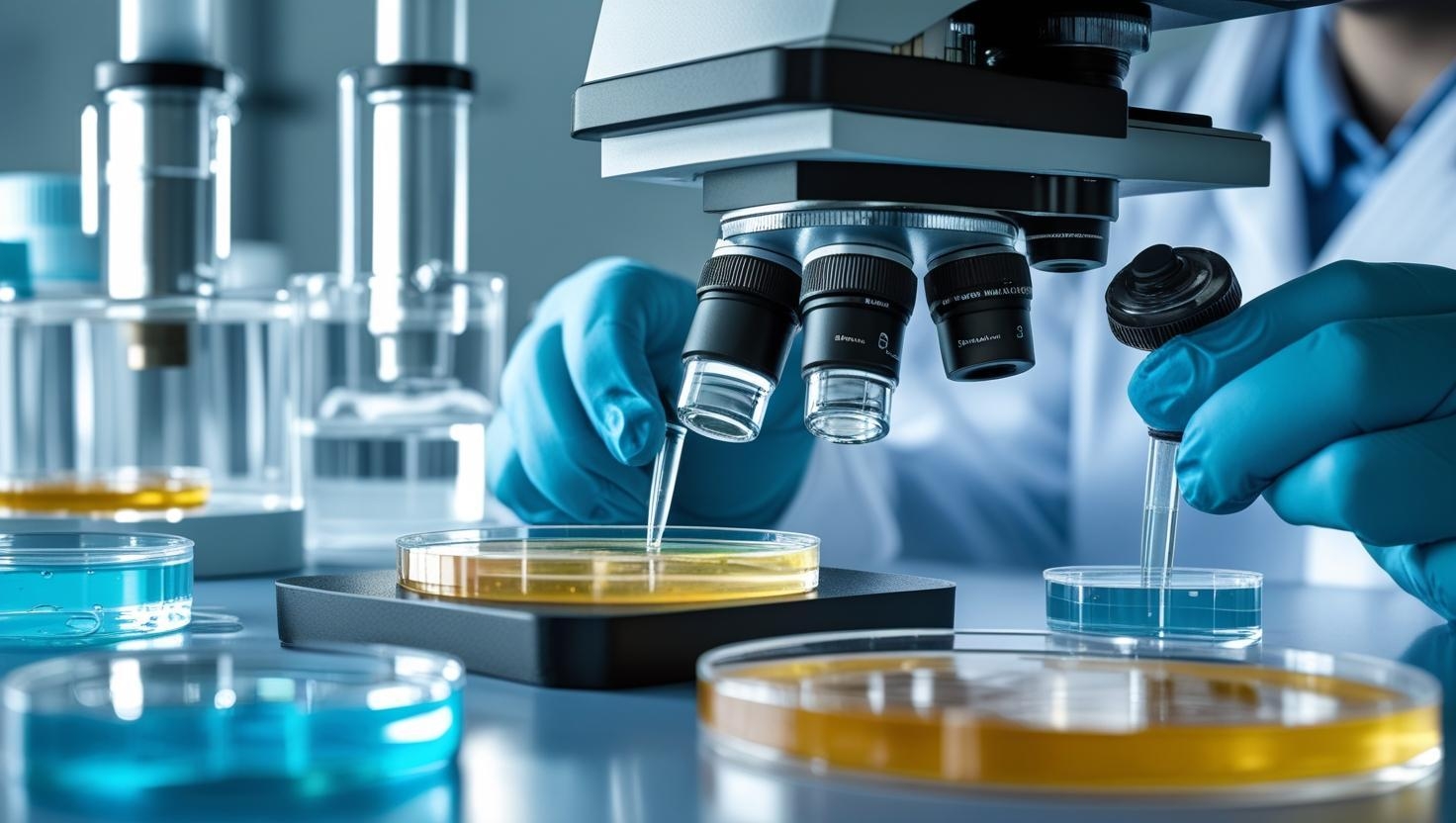
Microbiological Testing – Stop Contamination
Detect harmful bacteria like Salmonella and E. coli in food, water, and surfaces to prevent contamination, ensure hygiene, and safeguard consumer health.
Why is Microbiological & Shelf Life Testing required?
The evolving health risks, global food trade, and rising consumer awareness have made microbiological testing essential. In the current scenario, where outbreaks of foodborne and waterborne illnesses are more frequent, microbiological testing plays a critical role in identifying and early detection of harmful pathogens and viruses. Moreover, the demand for safe, hygienic products has grown sharply, pushing businesses to prove the microbiological safety of their food and water and maintain compliance with regulatory standards.
Benefits of Microbiological & Shelf Life Testing
-
Ensures Product Safety
-
Prevents Contamination and Outbreaks
-
Establishes Regulatory Compliance
-
Enhances Product Quality
-
Facilitates Research and Development
| Pathogen |
Description |
| Escherichia coli (E. coli) |
A common bacterium found in the intestines of humans and animals; certain strains (e.g., E. coli O157) can cause severe illness. |
| Salmonella spp. |
A leading cause of foodborne illness worldwide, often associated with contaminated meat, poultry, eggs, and dairy products. |
| Staphylococcus aureus (S. aureus) |
A bacterium that can produce toxins leading to food poisoning; commonly found in improperly handled foods. |
| Listeria monocytogenes |
Can cause severe illness, particularly in pregnant women, newborns, and immunocompromised individuals; often found in ready-to-eat foods and dairy products. |
| Yeast and Mould Count |
Indicators of spoilage that can produce mycotoxins posing health risks. |
| E. coli O157 |
A particularly dangerous strain of E. coli associated with severe foodborne illness outbreaks. |
| Clostridium botulinum |
Produces toxins that can cause botulism, a potentially fatal illness; often associated with improperly canned or preserved foods. |